
On-device species detection for trail cameras: why the edge wins when the farm has no Wi-Fi
Cloud AI fails at the fence line. Wildon’s Critter View 2 bets on 0.25 s triggers, 940 nm no-glow IR and models that run where the camera hangs.
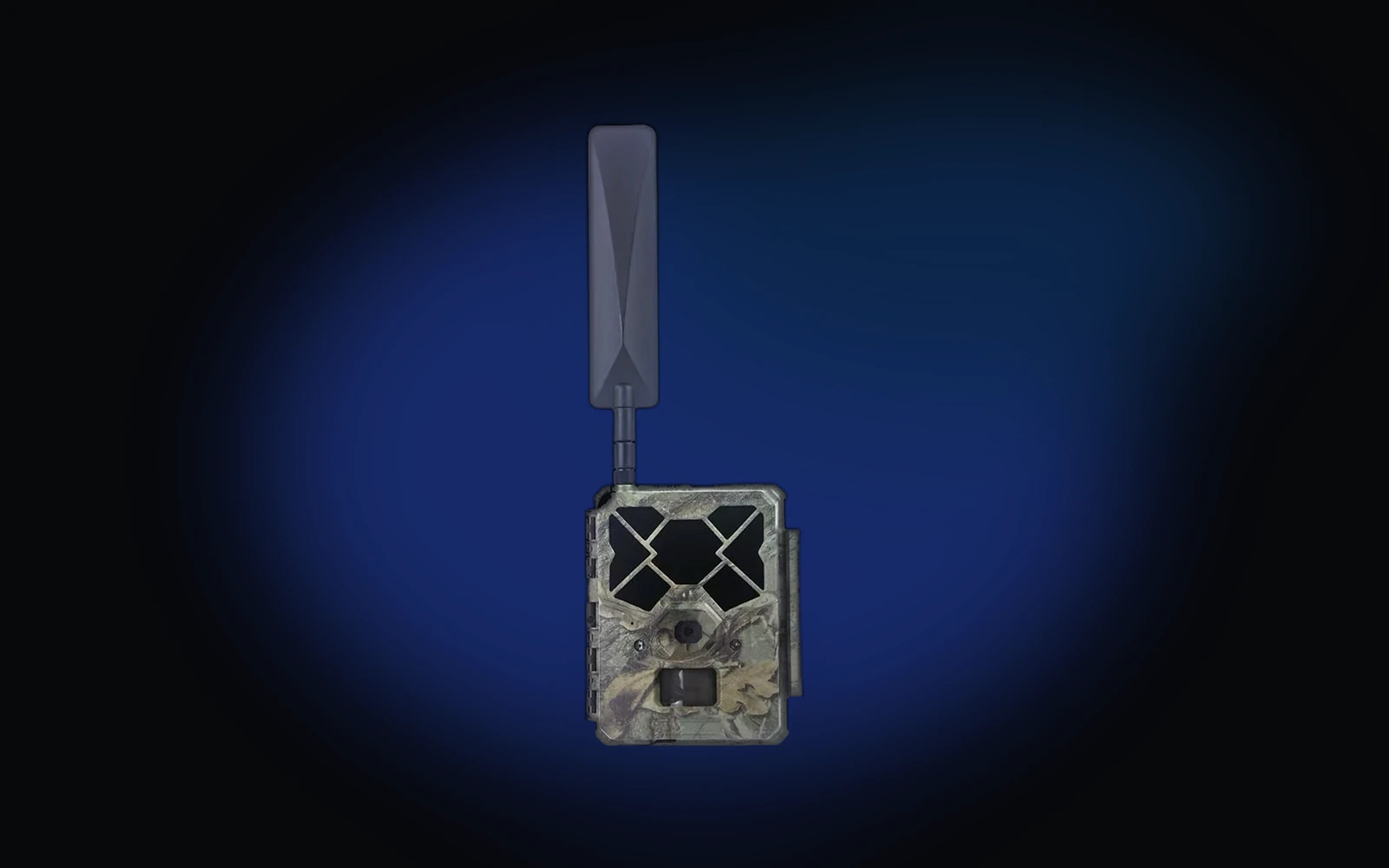
Fig. 01 — Critter View 2: solar, 4G and on-device filtering for local markets
The field is not a data centre
Trail cameras sit on trees, gates and barns. Power is solar or cells. Connectivity is intermittent 4G if it exists at all. Uploading every motion event to a cloud model is expensive, slow and fragile. Farmers and wildlife managers do not want a false-trigger gallery; they want a human or species alert that means something.
That is why Critter View 2 puts classification on the device: filter false triggers locally, send what matters over a pre-inserted Simplex xoSIM, and keep night vision at 940 nm so the flash does not announce the camera to animals or people.
What “edge” actually buys you
- Latency: 0.25 s motion-to-capture is wasted if the useful decision waits on an upload.
- Cost: unlimited plans stay rational when the radio is not shipping empty frames.
- Privacy and resilience: the site still works when the tower is congested or the subscription lapses briefly.
- Product honesty: AI is part of the SKU, not a feature that dies without a perfect backhaul.
If the intelligence only lives in the cloud, the product lives in the cloud. The camera is just a client.
Built and priced for local markets
Wildon is not a rebadged generic trail cam with a sticker. IP66, solar, 24 MP stills, expandable storage and factory-fitted 4G are one commercial system aimed at markets that need the hardware to arrive ready — not a kit of SIMs, apps and hope. Edge AI is the difference between “connected camera” and “field instrument.”
We will keep refining models and plans. The principle stays fixed: decide as much as possible on the tree, send only what earns the radio.