
Classifying noise from signal: the patent logic behind DREM sleep intelligence
US 11,509,995 B1 is not a marketing slogan. It protects a method for AI-generated silence — dual paths, user priority and standalone overnight operation.
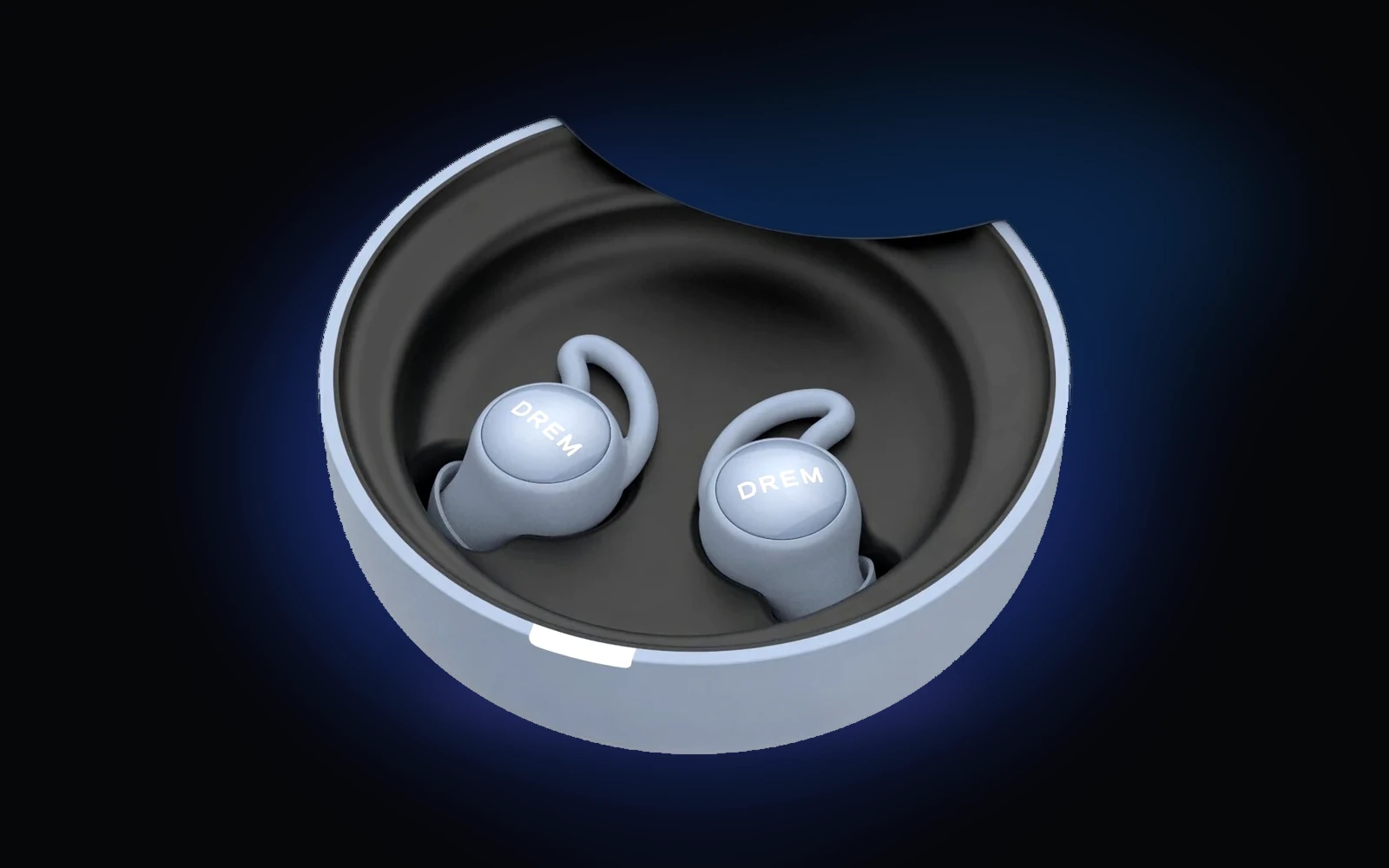
Fig. 01 — DREM concept hardware: side-sleeper geometry, overnight loop
Masking is not the same as deciding
Most sleep audio products mask. They play rain, they seal the canal, they hope. DREM is built on a different claim: classify the soundscape, then apply a user-defined priority so noise is cancelled while desired sound — an alarm, a partner’s voice, a baby monitor — can pass. That dual-path idea is what the granted method patent is about.
US 11,509,995 B1 (filed 2021, granted 2022) covers AI-generated silence in earbuds with classification, dual signal paths, standalone operation and user priority. Nine issued claims. Expected term into the 2040s. Continuations are planned for self-training and sleep-state work as the prototype path advances toward a 2027 arrival.
Four steps in the overnight loop
- Sense: on-device mics classify snore, traffic, speech, alarms and other classes in real time.
- Prioritise: the wearer’s hierarchy decides what becomes silence and what remains sound.
- Cancel: anti-phase paths act on noise while pass-through keeps the signals that matter.
- Protect: the loop holds overnight; phone optional after setup.
Silence on purpose is a product. Silence by accident is a foam tip.
Why patent-first product development
We filed before we had a mass-market SKU because the moat is the method, not a colourway. Hardware targets — under 4.2 g side-sleeper geometry, ~10 h runtime, wing-fit shells — exist to practise the patent, not the other way around. That is the same ownership logic as Mifo and Wildon: own the idea, then tool the object.
Licensing enquiries are welcome. Commodity earbud clones of a granted method are not. The article is a map of the claim set for partners, investors and engineers who want to know what “acoustic intelligence” means when it is written into the USPTO record.